
Our
Experience
International Institute for Development Transformation’s (IIDT) project experience is organized across ten interconnected development themes, reflecting our multidisciplinary expertise and extensive engagement with government institutions, development partners, civil society organizations, communities and private-sector stakeholders.
This thematic approach enables IIDT to mobilize the appropriate technical specialists, research professionals and project-management teams for each assignment. Our experience covers the full project cycle from research, assessments and project design to implementation support, capacity development, monitoring, evaluation and institutional strengthening.
Through evidence-based methodologies, participatory approaches and strong quality-assurance systems, IIDT delivers practical, inclusive and sustainable solutions that respond to the priorities of clients, donors and beneficiary communities.
Past Projects
Agriculture, Social & Environment
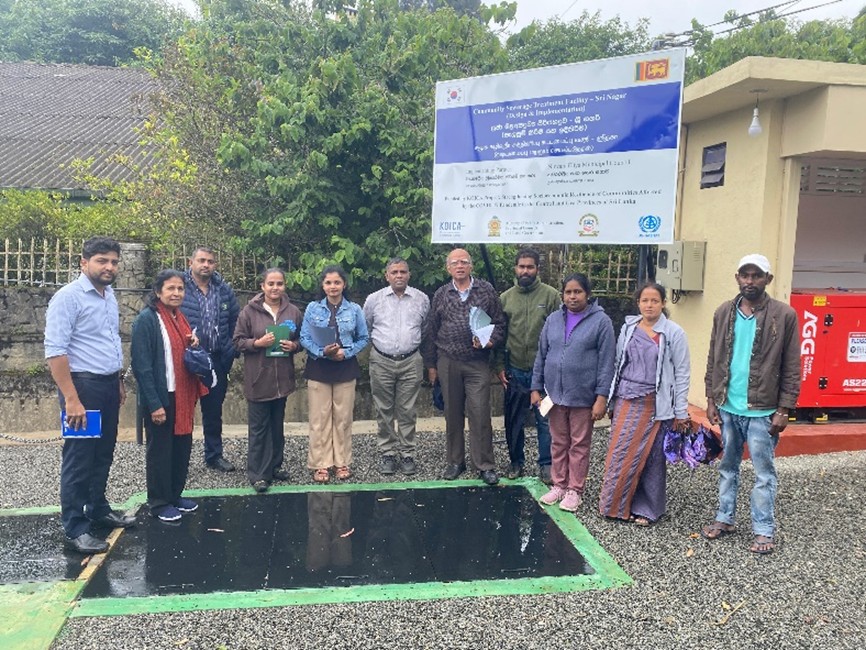
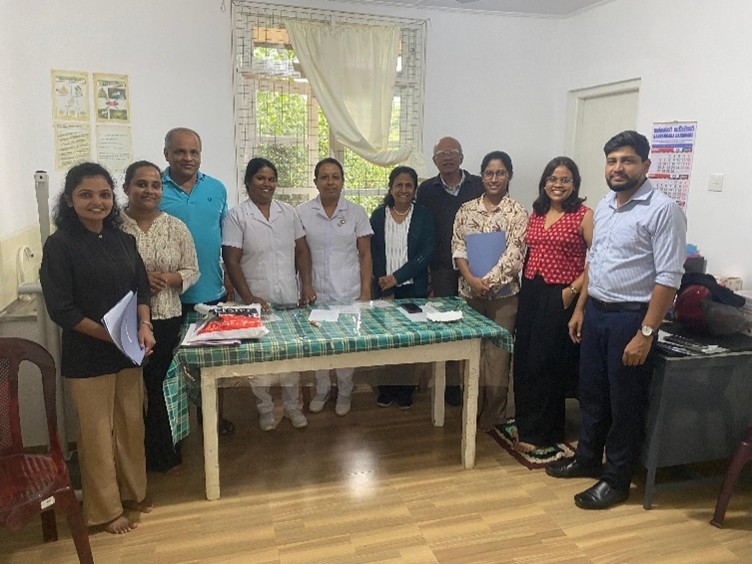
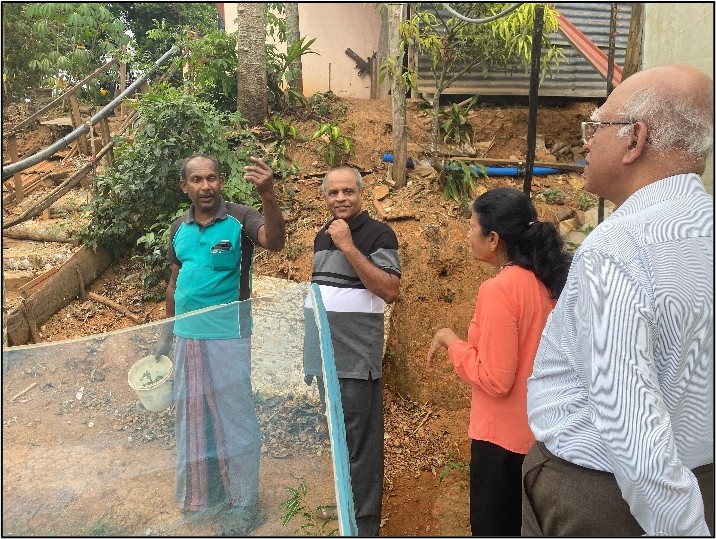
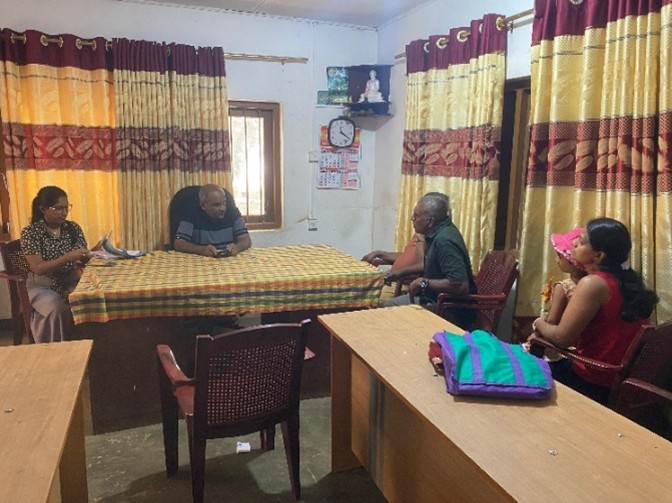
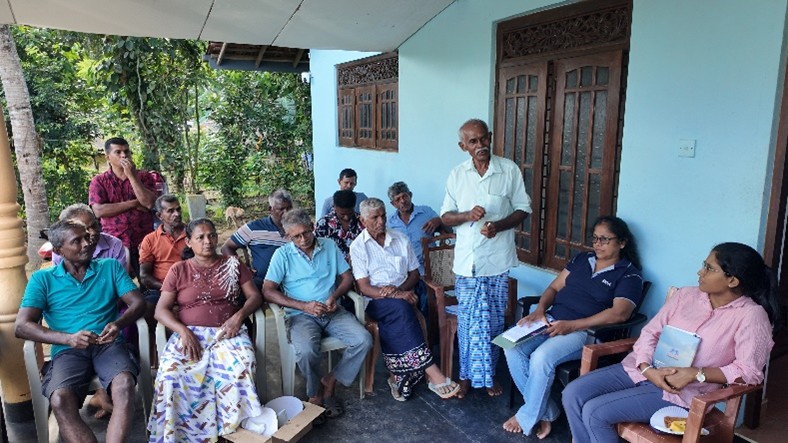
End Evaluation for the Project “Strengthening Socioeconomic Resilience of Communities Affected by the COVID-19 Pandemic in the Central and Uva Provinces of Sri Lanka”
Project Period:
05/2026 – 06/2026
Client:
United Nations Human Settlements Programme (UN Habitat)
Donor/Funding Source:
Korea International Cooperation Agency (KOICA)
Project Overview:
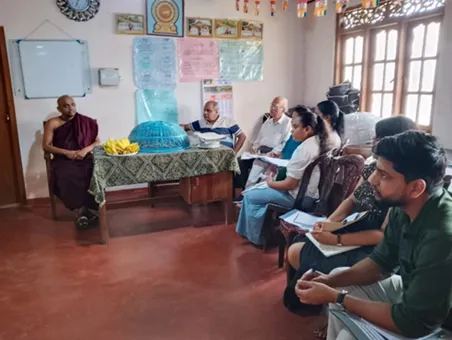
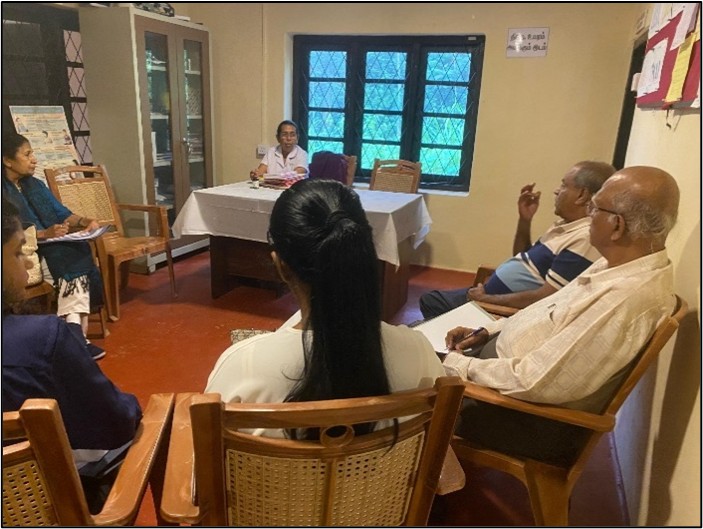
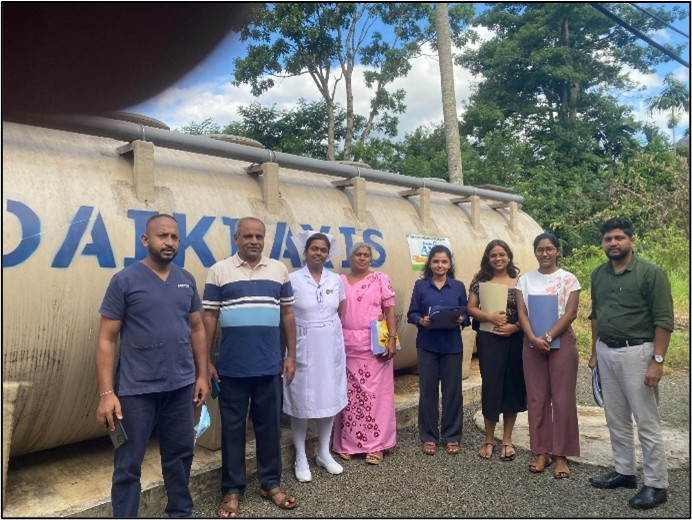
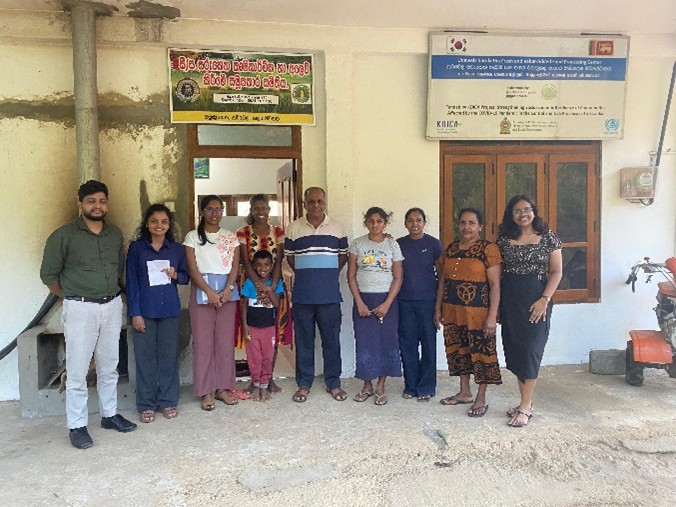
The assignment involved conducting the End Evaluation of the UN-Habitat project titled "Strengthening Socioeconomic Resilience of Communities Affected by the COVID-19 Pandemic in the Central and Uva Provinces of Sri Lanka," funded by KOICA. The evaluation assessed the project's performance against the OECD-DAC evaluation criteria of relevance, coherence, effectiveness, efficiency, impact and sustainability. IIDT’s scope of services covered the following: The International Institute for Development Transformation (IIDT) provided comprehensive end evaluation services, including evaluation design, development of the methodology and data collection tools, sampling design, field data collection, stakeholder consultations, quantitative and qualitative data analysis, GIS-supported field verification, environmental and technical assessments and application of the OECD-DAC evaluation framework. IIDT prepared the inception report, conducted extensive fieldwork across the Nuwara Eliya and Badulla Districts, facilitated key stakeholder consultations, developed evidence-based.
Comprehensive analysis of investment trends and drivers of socio-economic innovation in Sri Lanka’s agri-food sector, with a focus on Colombo, Galle, and Nuwara-Eliya Districts
Project Period:
31/12/2024 – 30/10/2025
Client:
Food and Agriculture Organization of the United Nations (FAO), Sri Lanka
Donor/Funding Source:
European Union (EU)
Project Overview:
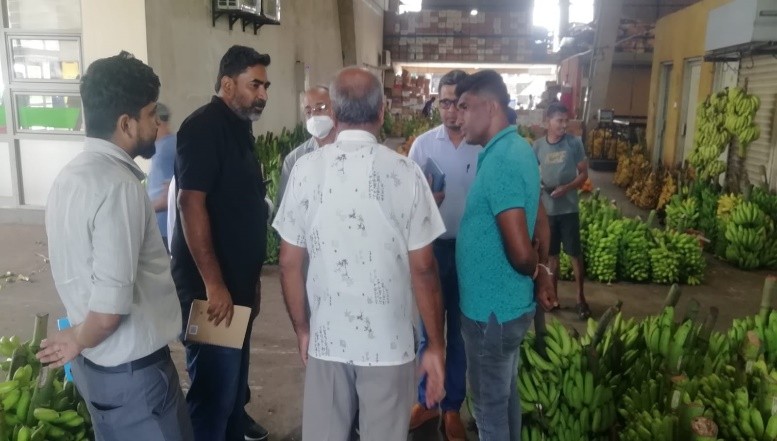
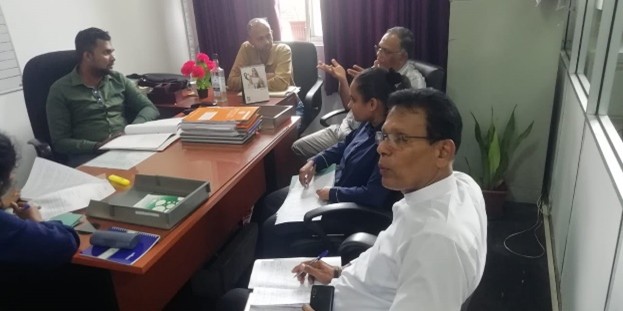
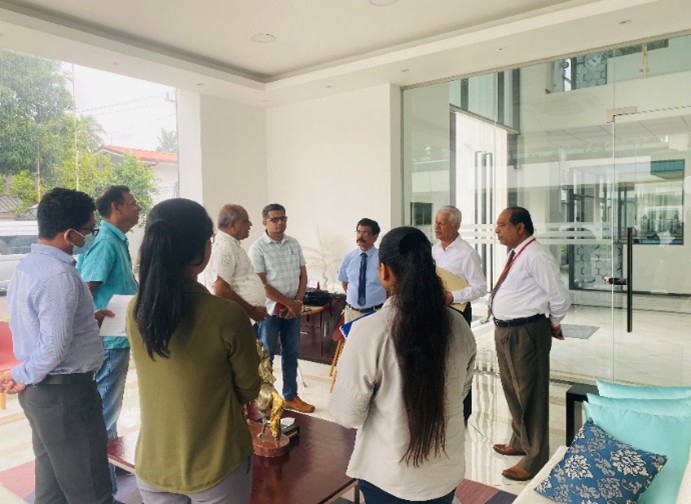
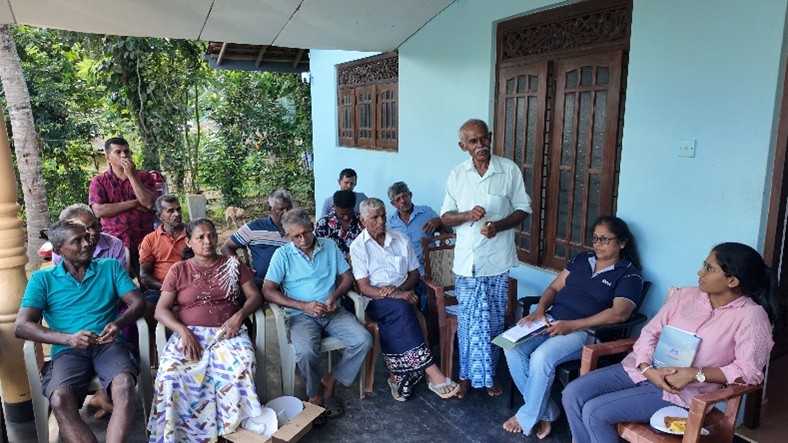
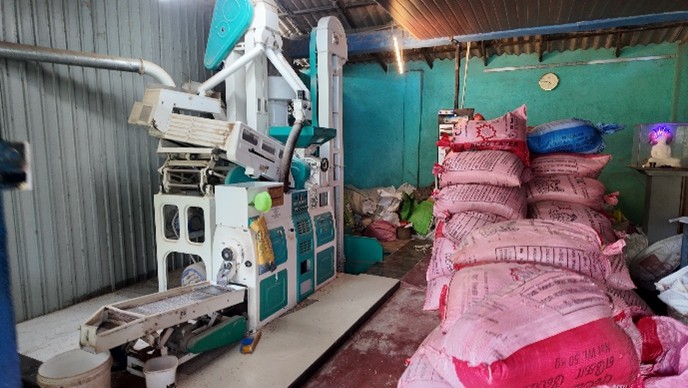
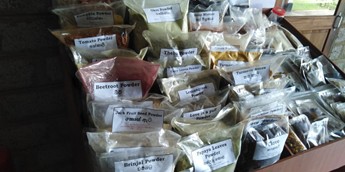
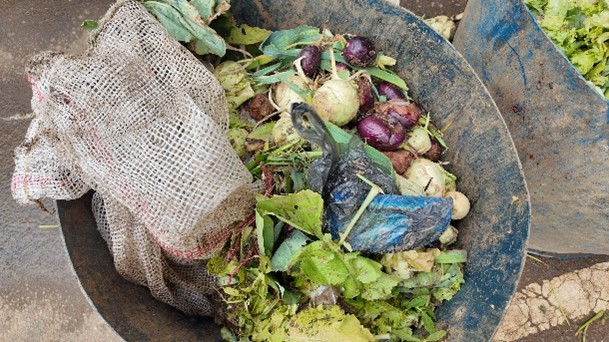
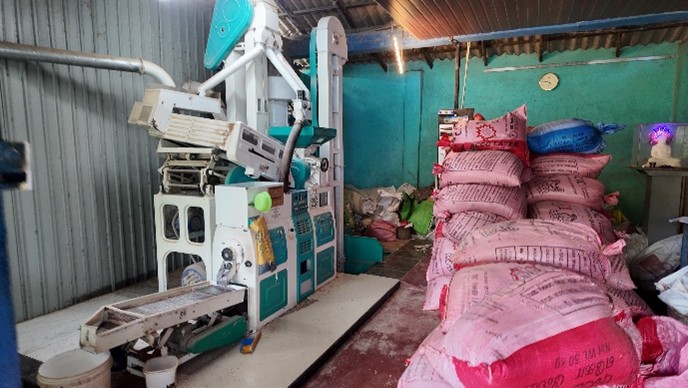
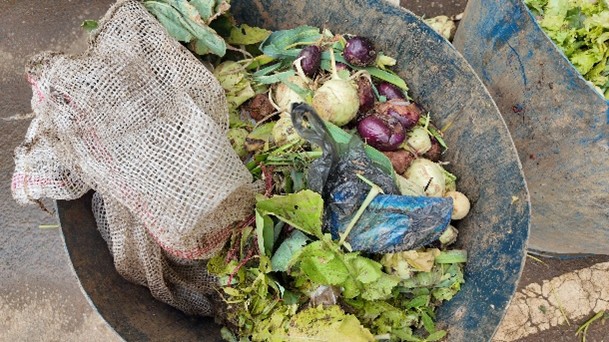
This project involved a comprehensive analysis of food loss and waste (FLW) and investment trends within Sri Lanka’s agri-food sector, with a focus on selected value chains in the Colombo, Galle and Nuwara-Eliya districts. The study applied a robust mixed-methods approach combining literature review, value chain mapping, stakeholder consultations, field surveys and validation workshops. IIDT provided end-to-end technical and analytical services, including study design, secondary data review, value chain selection and mapping, stakeholder identification and primary data collection through surveys, FGDs and KIIs. IIDT conducted socio-economic, environmental, nutritional, behavioral and risk assessments, facilitated stakeholder engagement and validation workshops and developed investment-ready business models and policy-relevant recommendations. The services ensured methodological rigor, stakeholder inclusivity, alignment with FAO TORs and delivery of actionable, high-quality outputs to.
Consultant for Agriculture Policy and Program on SDGs Business Verification Survey with the Private Sector for the Technology Development of Rice Production Monitoring System using Satellite Information and GIS Field Maps (AgriLook Pilot Project).
Project Period:
01/07/2024 – 30/06/2025
Client:
Vision Tech Inc., Japan
Donor/Funding Source:
Japan International Cooperation Agency (JICA)
Project Overview:
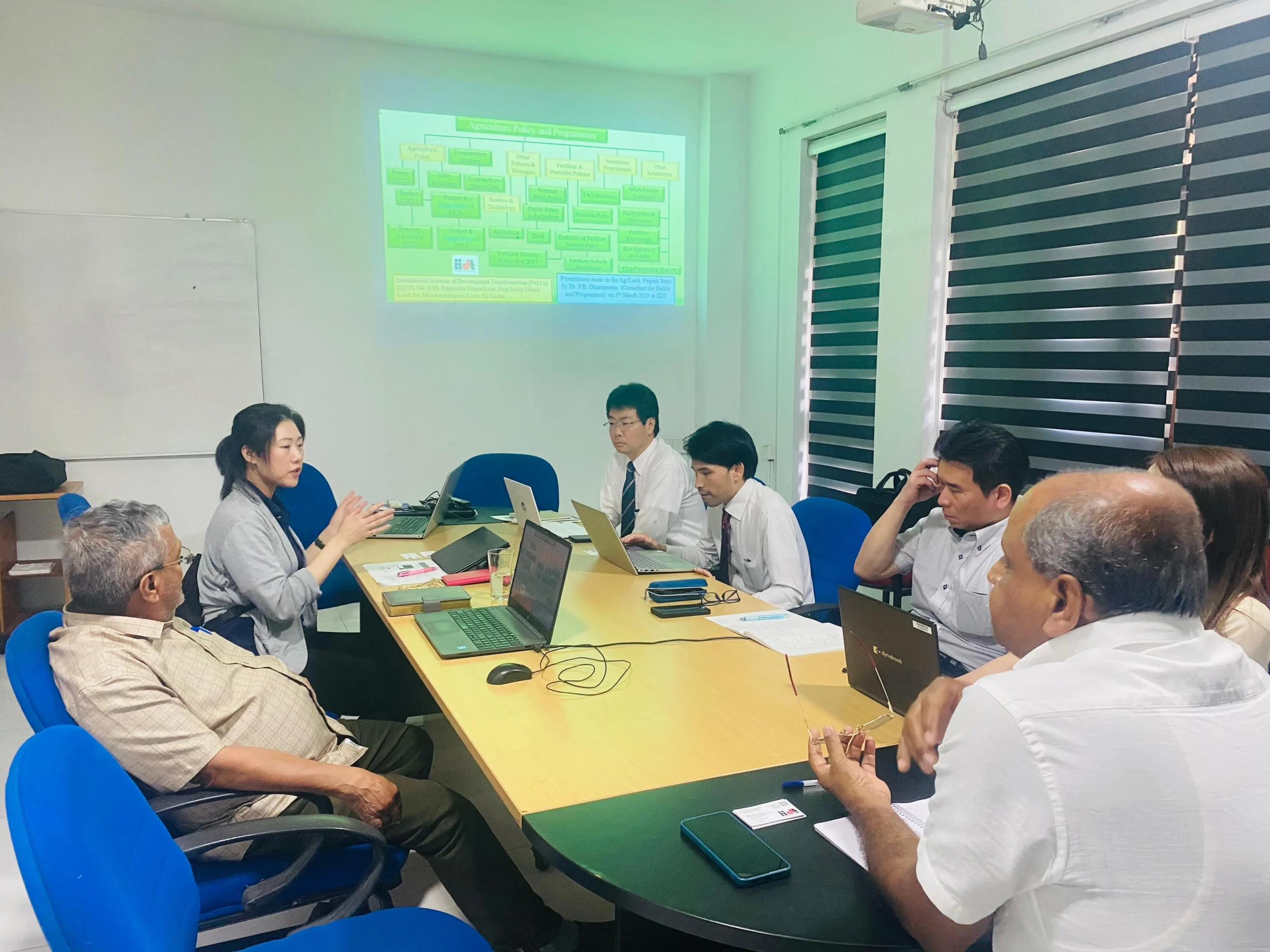
The project titled “SDGs Business Verification Survey with the Private Sector for the Technology Development of Rice Production Monitoring System using Satellite Information and GIS Field Maps” is implemented under the purview of the Japan International Cooperation Agency (JICA) and executed by VisionTech Inc. (VTI), Japan. The initiative aimed to verify sustainable development goals (SDGs)-aligned business models in the agriculture sector by leveraging advanced satellite and GIS technologies to enhance rice production monitoring systems in Sri Lanka. IIDT’s scope of services covered the following: The IIDT, as the local agent in Sri Lanka, was responsible for assigning and facilitating the work of the National Consultant for agriculture policy and program support. Under this agreement, IIDT ensured the execution of the following services successfully: Policy and Program Reporting: Facilitated a comprehensive desk review and stakeholder consultations to report on Sri Lanka’s agricultural policies, including fertilizer and pesticide policies, rice production trends, import statistics and budget. VTI has introduced a web – based application titled “AgriLook” which produces paddy growth maps by using GIS field maps and satellite information. Further, this application uses satellite data for semi real-time crop growth monitoring and production estimation. IIDT provided the technical, coordination and implementation support required for the assignment.
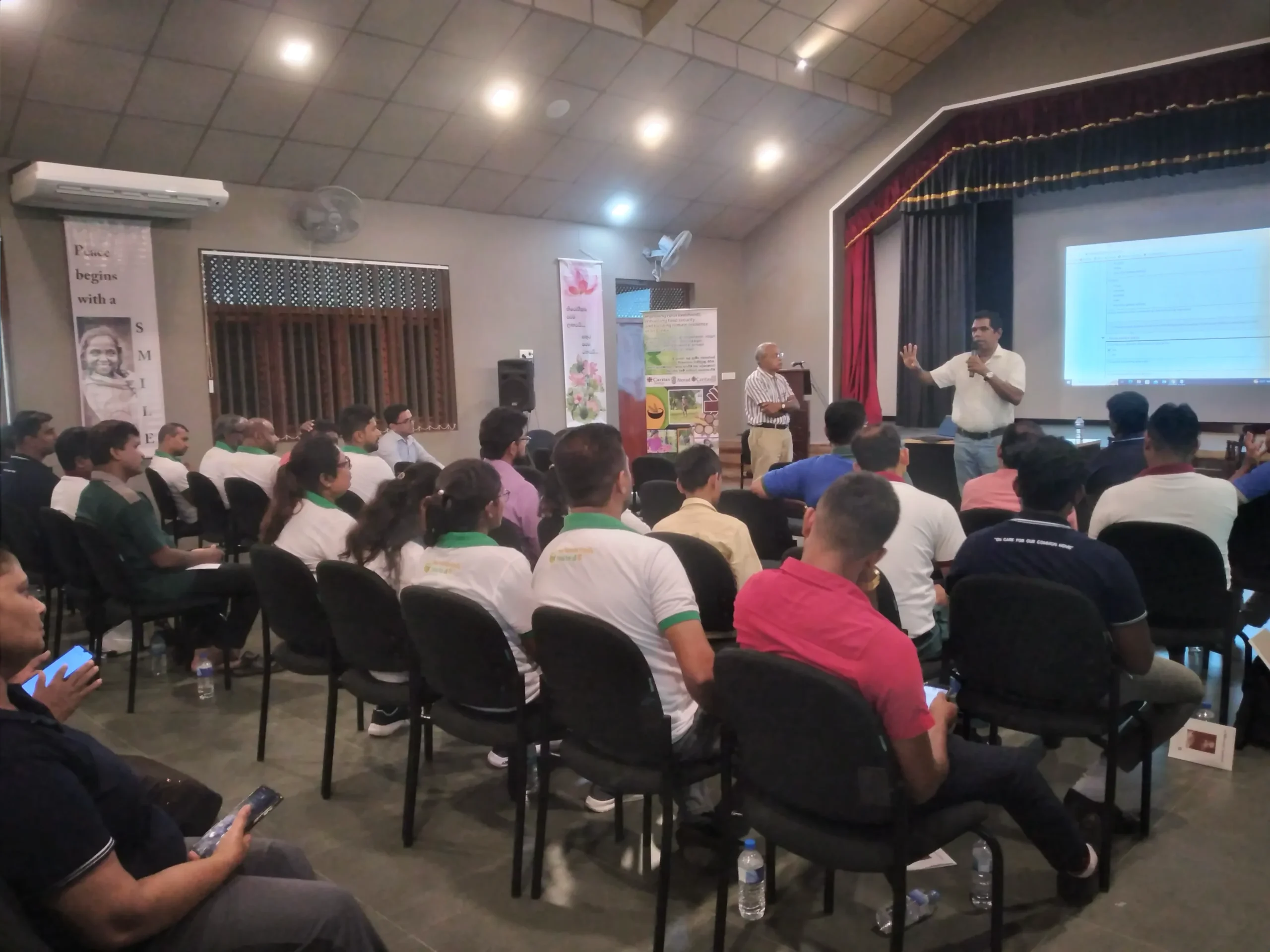
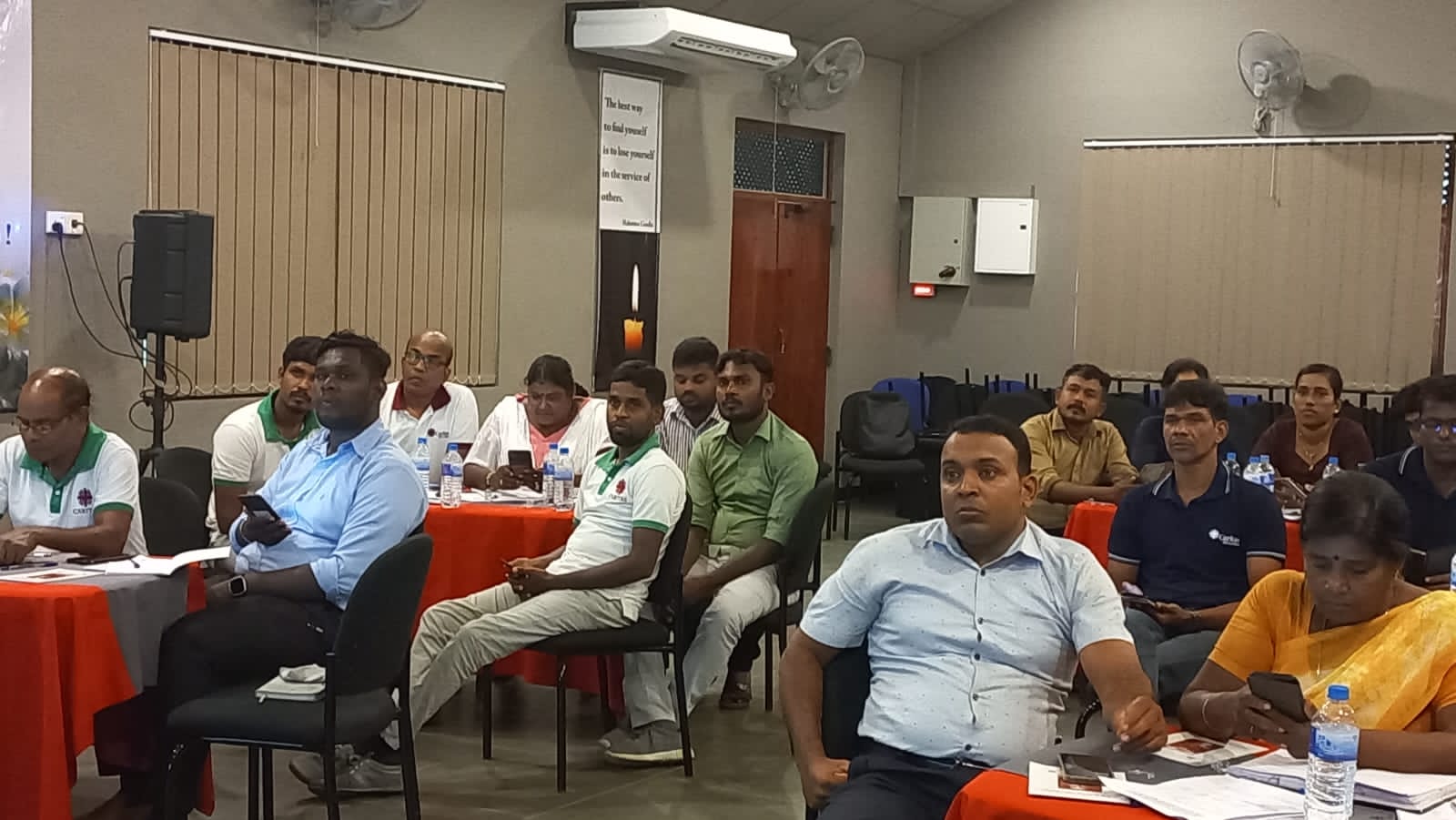
Baseline survey for the project of “Improving rural livelihoods, enhancing Food Security and building Climate Resilience in Sri Lanka”
Project Period:
06/2023 – 12/2023
Client:
CARITAS Sri Lanka
Donor/Funding Source:
Norwegian Agency for Development Cooperation (NORAD)
Project Overview:
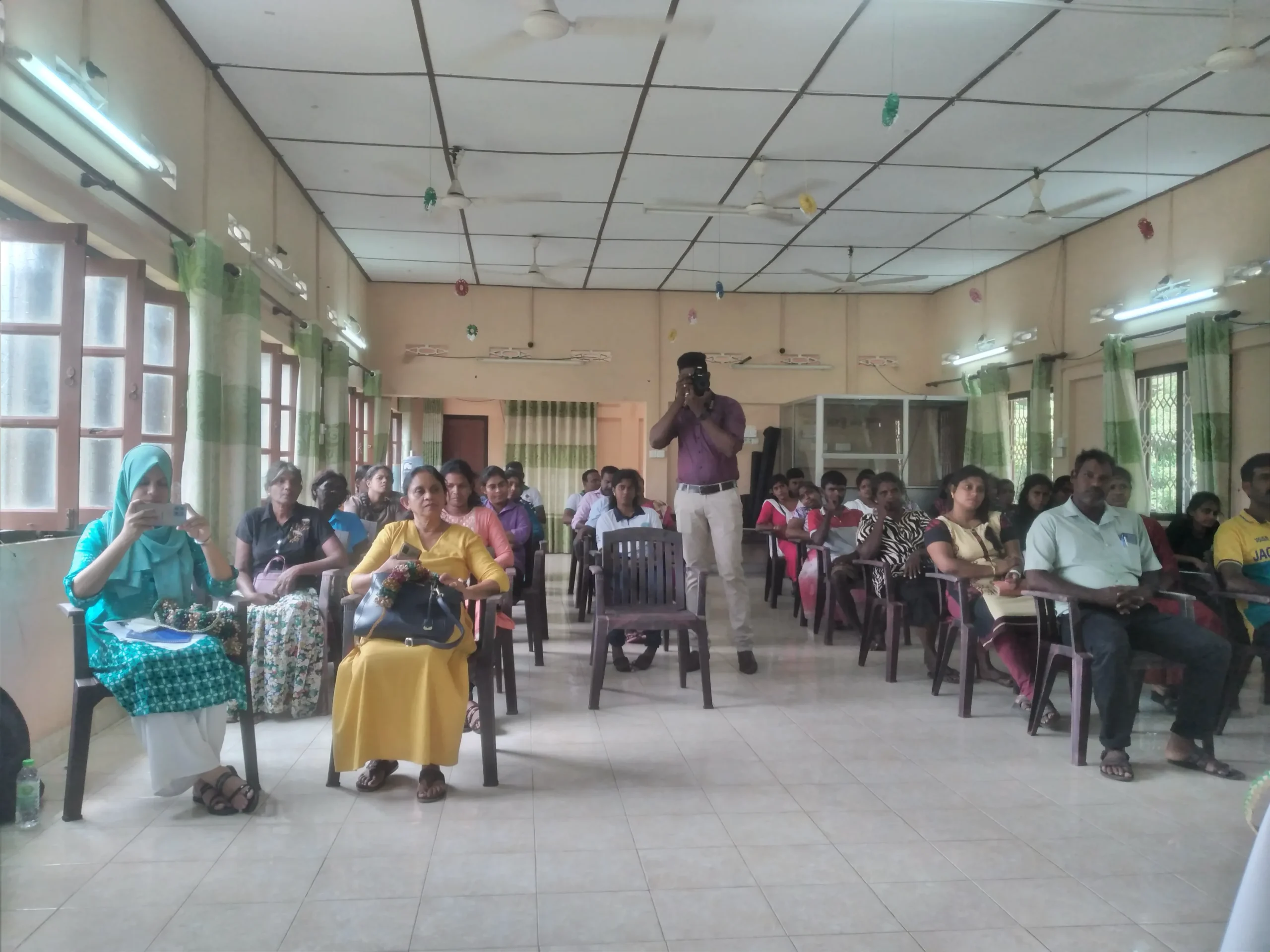
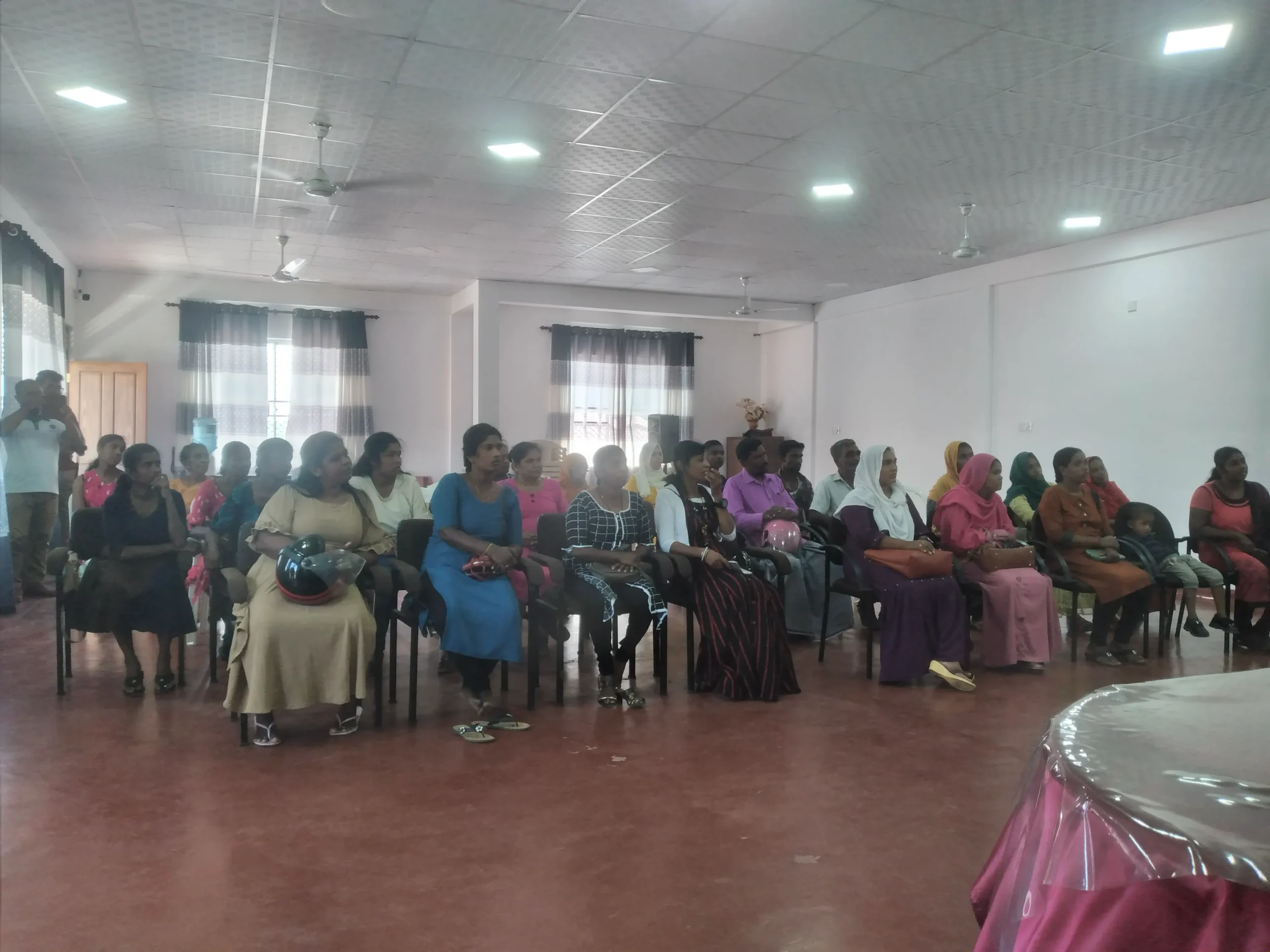
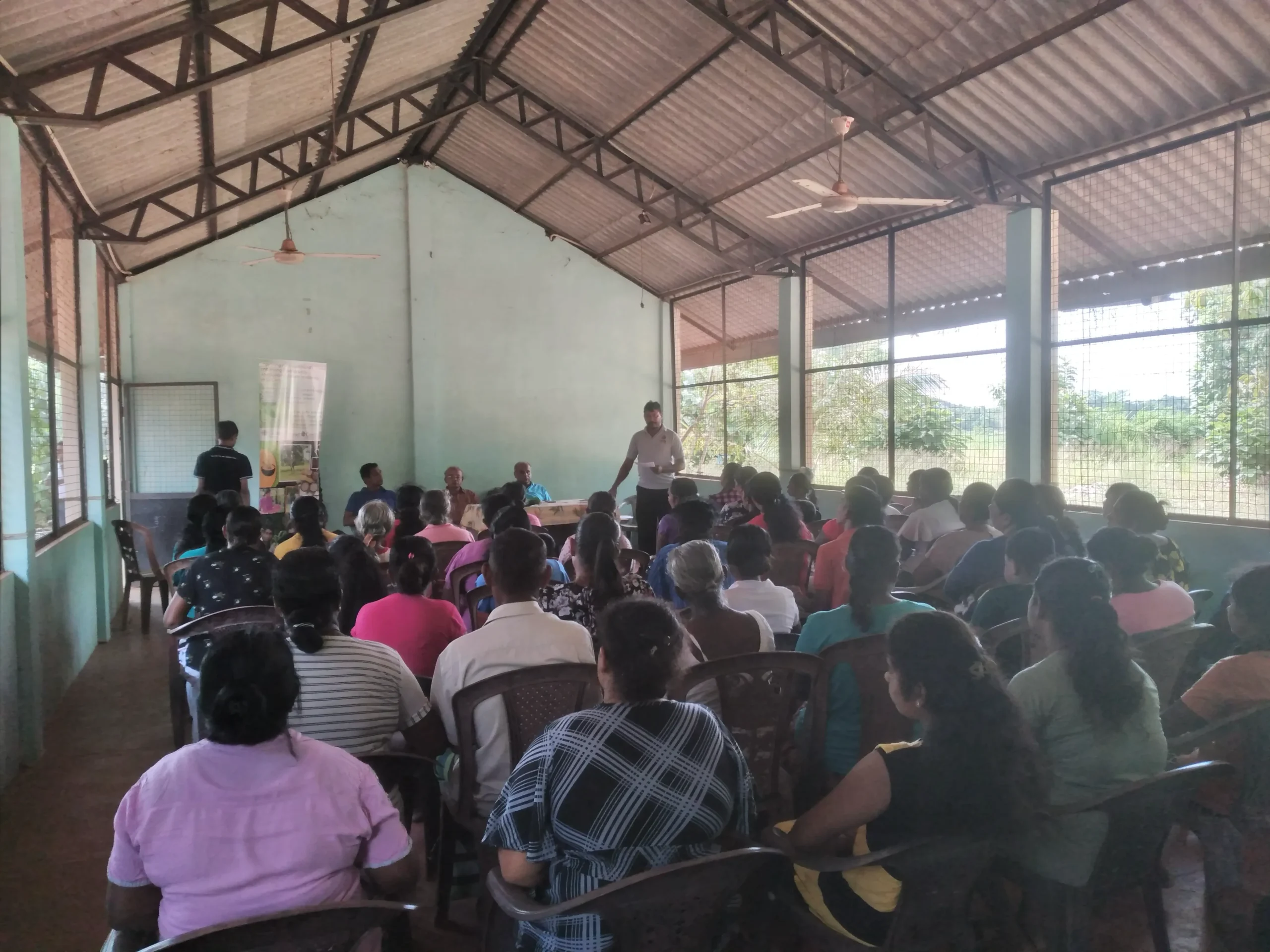
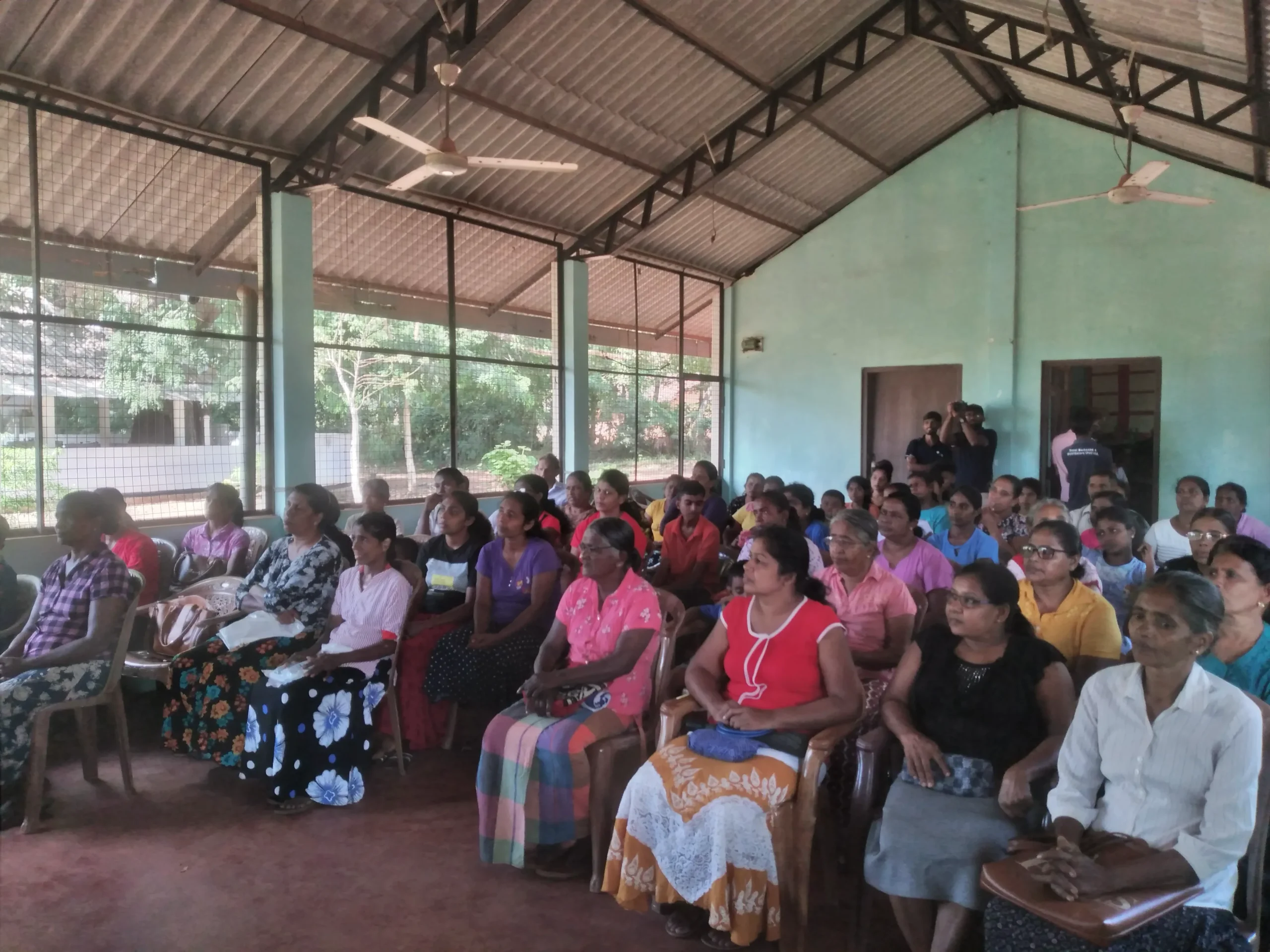
The "Improving Rural Livelihoods, Enhancing Food Security, and Building Climate Resilience in Sri Lanka" implemented by Caritas Sri Lanka. Inclusion of 2,470 villages across all 25 districts, this five-year initiative (2023-2027) directly addresses the pressing needs of 90,400 households, with a focus on vulnerable groups of farmers, mothers of pre-school children, school children, youth, and persons with disabilities. IIDT’s scope of services covered the following: The assignment conducted by IIDT involved a comprehensive Baseline Survey (BLS) that employed a mixed-method approach to gather both quantitative and qualitative data for a project in collaboration with CARITAS. The study covered 13 Diocesan centers across 25 administrative districts in Sri Lanka. The survey included secondary data collection through desk reviews and primary quantitative data collection using mobile data collection (Kobo Tool) through Household Questionnaire Surveys (HHS) targeting farmers.
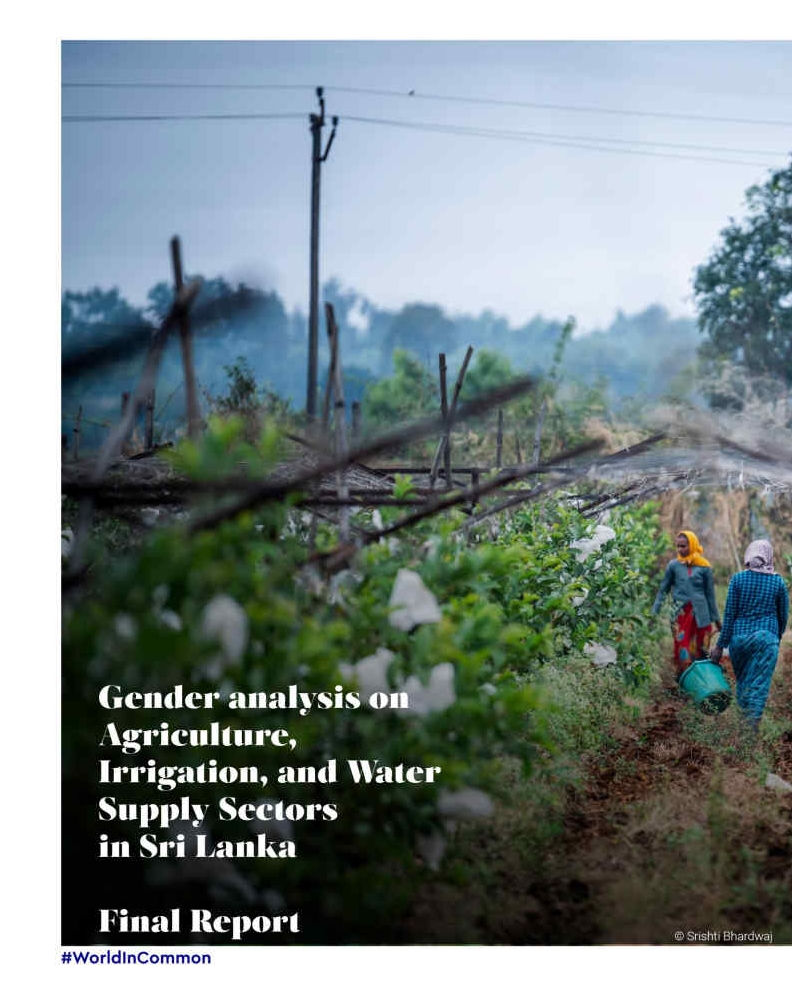
Consultancy services on Multi-sector study in order to analyse gender issues in water, sanitation, agriculture and health
Project Period:
12/2021 – 02/2023
Client:
Agence Francaise de Development (AFD)
Donor/Funding Source:
AFD
Project Overview:
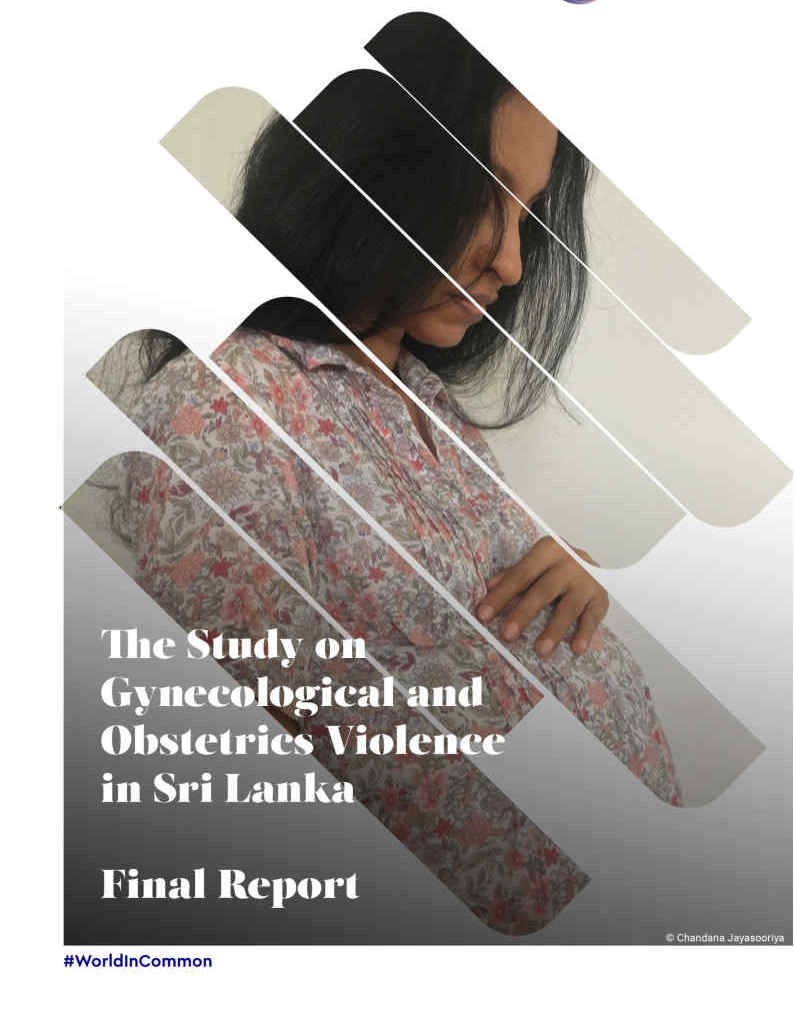
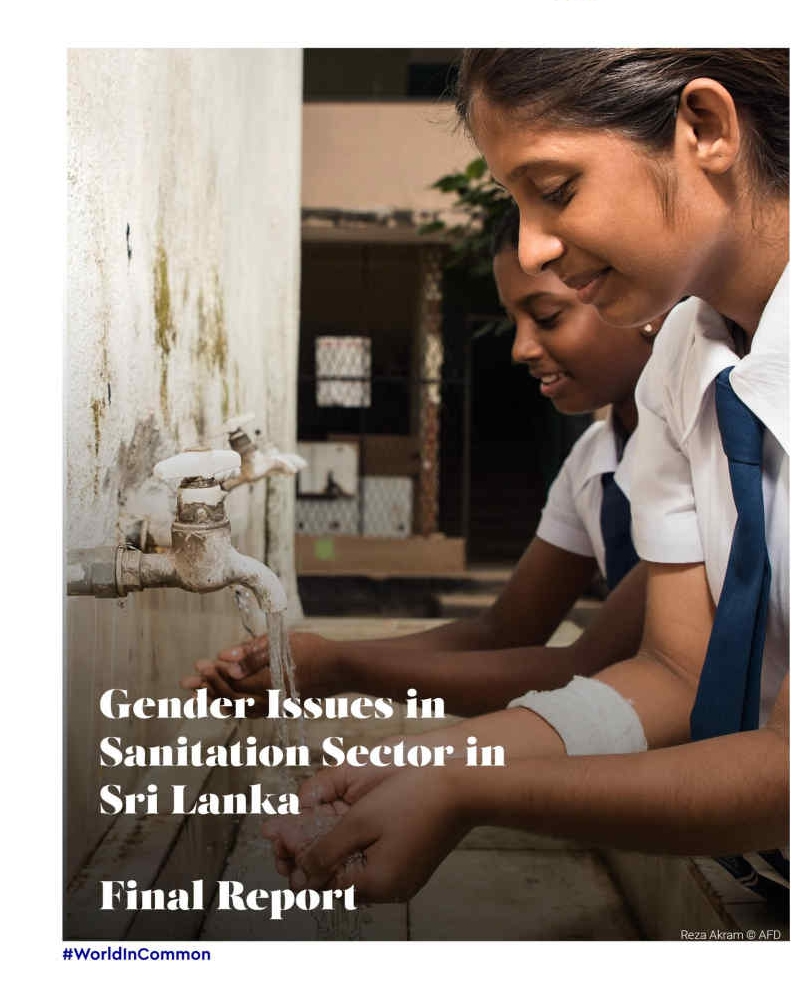
Gender Analysis To identify in each sector orientations, guidelines and recommendations for measures / actions with gender-sensitive impacts (direct and indirect) that could reduce the vulnerabilities and disadvantages of women regarding the current state of gender inequalities, promoting a gender sensitive approach in the sector, covering: mainstreaming of Gender in AFD projects the sector; mainstreaming of Gender in sector-related public policies, regulations, institutional governance; Actions/measures for awareness raising, training, education, women empowerment; Capacity building, stakeholder engagement. IIDT’s scope of services covered the following: Multi disciplinary gender analysis - The goal achieved here is, recognizing and applying strategies, directives, and suggestions for activities or initiatives that consider the impact on women, both directly and indirectly, in every industry. This would help to lessen the vulnerabilities and disadvantages faced by women due to the current gender imbalances, and encourage a gender-sensitive outlook in the field. This includes incorporating gender considerations in AFD projects and related.
Enterprise & Economic Development
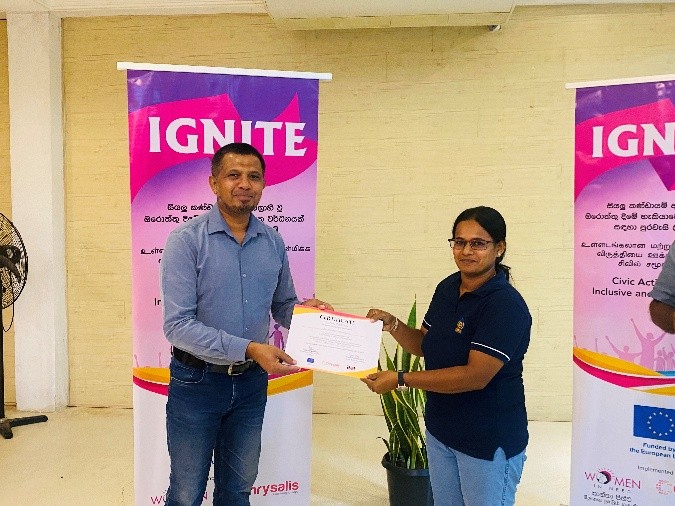
Development of Livelihood, Recovery, and Social Strengthening Plans for CSOs/Producer groups in the Uva and Sourthern Provinces.
Project Period:
05/2025 – 04/2026
Client:
Chrysalis Sri Lanka
Donor/Funding Source:
European Union (EU)
Project Overview:
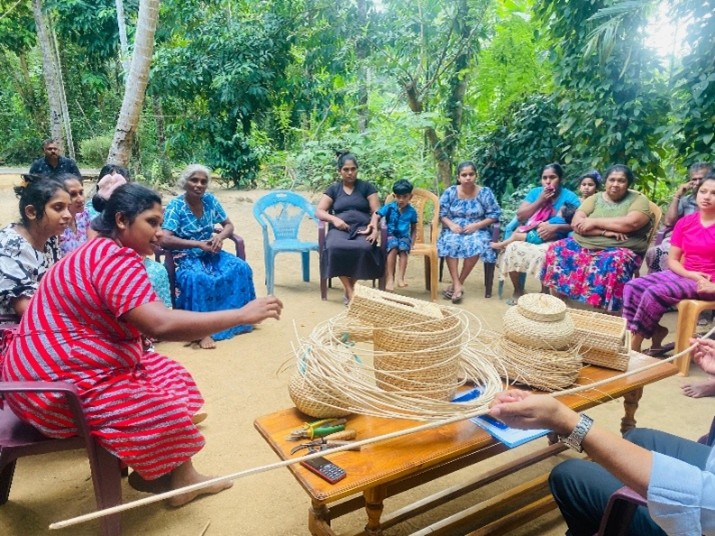
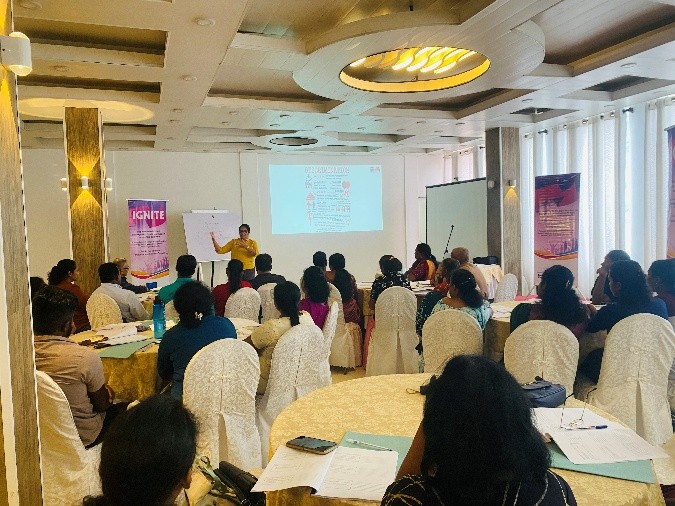
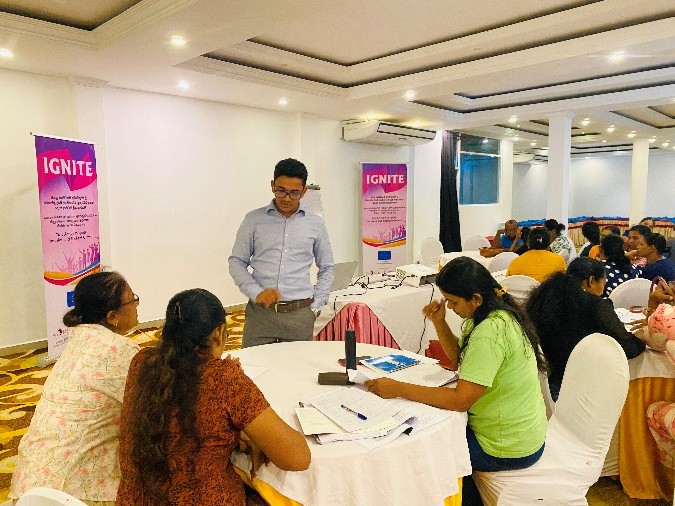
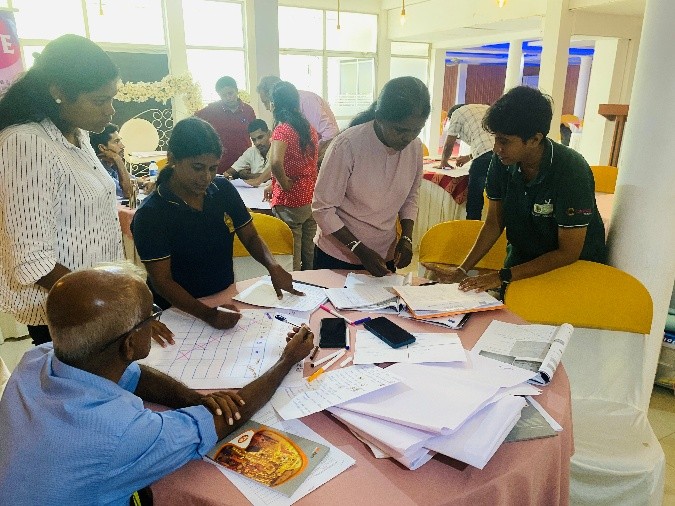
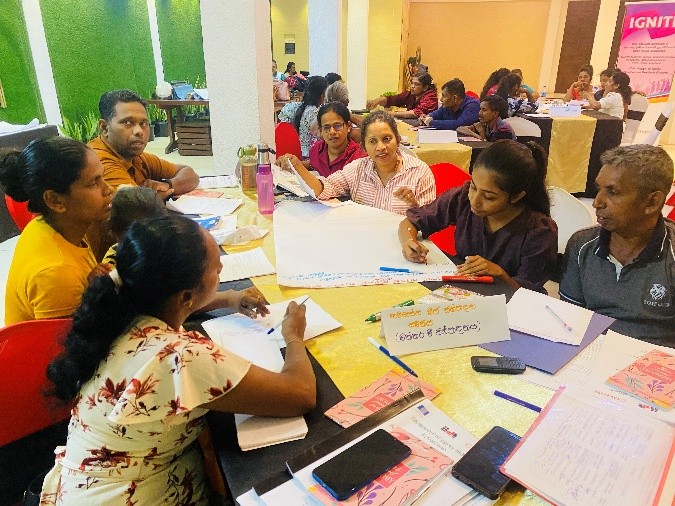
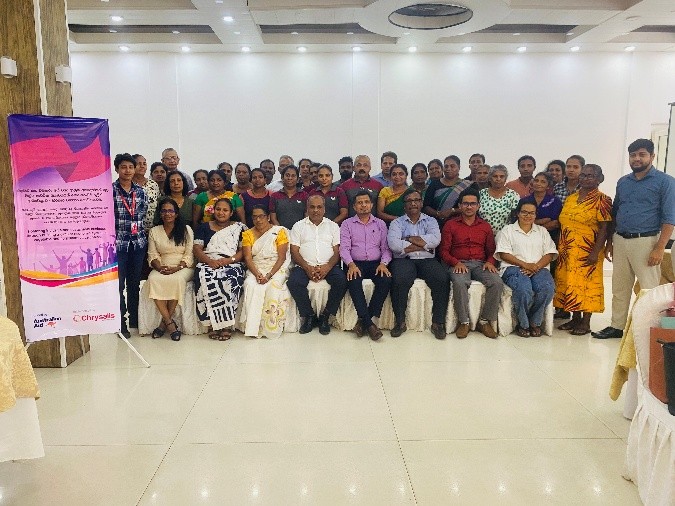
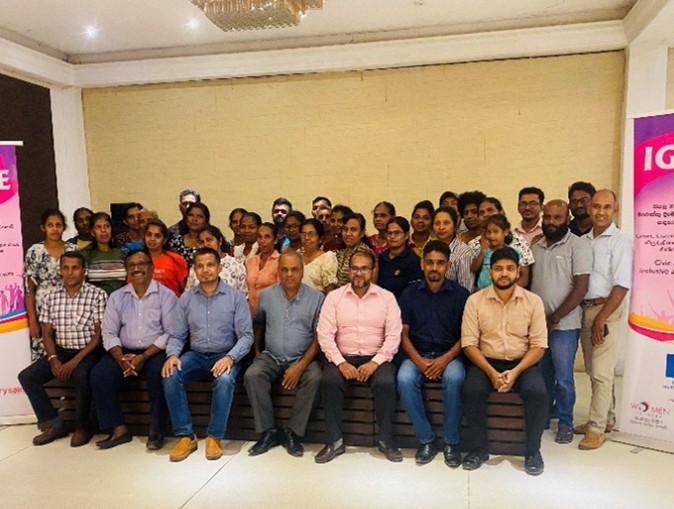
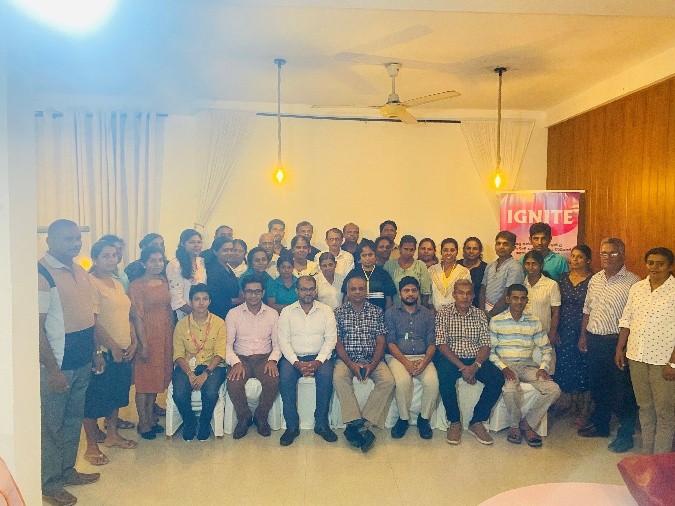
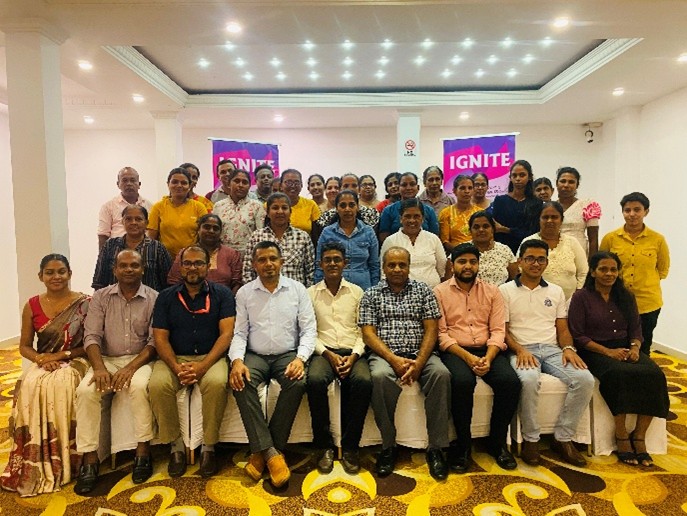
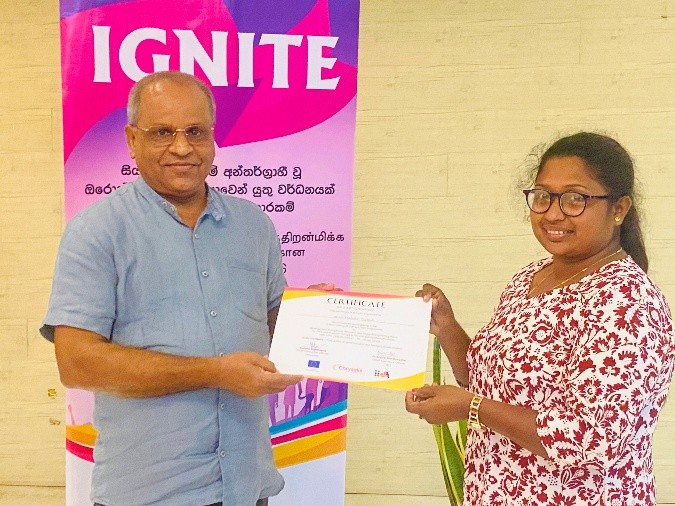
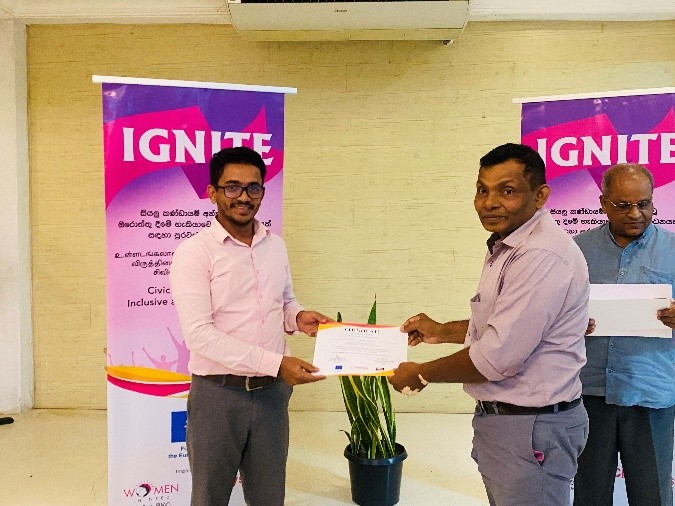
The project aims to strengthen the capacities of Civil Society Organizations (CSOs) and Producer Groups in the Uva and Southern Provinces of Sri Lanka to promote inclusive and resilient livelihoods and social strengthening initiatives. It supports the development of community-owned Livelihood, Recovery and Social Strengthening Plans that address socioeconomic challenges faced by women, youth and marginalized communities while integrating gender equality, social inclusion and resilience-building approaches. IIDT’s scope of services covered the following: International Institute for Development Transformation (IIDT) designed and facilitated a comprehensive participatory planning and capacity-building process for selected Civil Society Organizations (CSOs) and Producer Groups. The services provided included reviewing existing community development and recovery plans, conducting stakeholder consultations and organizational capacity assessments, designing and delivering 4 district-level Training of Trainers (ToT) programmes and developing planning tools, methodologies, and templates. IIDT facilitated inclusive and participatory plan development exercises and prepared.
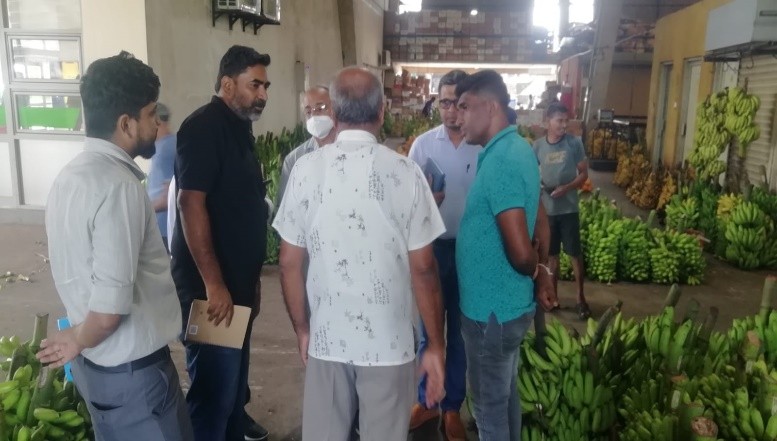
Comprehensive analysis of investment trends and drivers of socio-economic innovation in Sri Lanka’s agri-food sector, with a focus on Colombo, Galle, and Nuwara-Eliya Districts
Project Period:
31/12/2024 – 30/10/2025
Client:
Food and Agriculture Organization of the United Nations (FAO), Sri Lanka
Donor/Funding Source:
European Union (EU)
Project Overview:
This project involved a comprehensive analysis of food loss and waste (FLW) and investment trends within Sri Lanka’s agri-food sector, with a focus on selected value chains in the Colombo, Galle and Nuwara-Eliya districts. The study applied a robust mixed-methods approach combining literature review, value chain mapping, stakeholder consultations, field surveys and validation workshops. IIDT provided end-to-end technical and analytical services, including study design, secondary data review, value chain selection and mapping, stakeholder identification and primary data collection through surveys, FGDs and KIIs. IIDT conducted socio-economic, environmental, nutritional, behavioral and risk assessments, facilitated stakeholder engagement and validation workshops, and developed investment-ready business models and policy-relevant recommendations. The services ensured methodological rigor, stakeholder inclusivity, alignment with FAO TORs, and delivery of actionable, high-quality outputs.
Environmental Sustainability Programs
Governance & Community Participation
Monitoring, Evaluation & Learning
Organizational Development
Personal Productivity & Leadership Development
Project Cycle Management (PCM)
Technical Assistance
Training & Capacity Development
PS097 – End Evaluation for the Project “Strengthening Socioeconomic Resilience of Communities Affected by the COVID-19 Pandemic in the Central and Uva Provinces of Sri Lanka”
Project Period:
05/2026 – 06/2026
Client:
United Nations Human Settlements Programme (UN Habitat)
Donor/Funding Source:
Korea International Cooperation Agency (KOICA)
Project Overview:
The assignment involved conducting the End Evaluation of the UN-Habitat project titled "Strengthening Socioeconomic Resilience of Communities Affected by the COVID-19 Pandemic in the Central and Uva Provinces of Sri Lanka," funded by KOICA. The evaluation assessed the project's performance against the OECD-DAC evaluation criteria of relevance, coherence, effectiveness, efficiency, impact and sustainability. IIDT’s scope of services covered the following: The International Institute for Development Transformation (IIDT) provided comprehensive end evaluation services, including evaluation design, development of the methodology and data collection tools, sampling design, field data collection, stakeholder consultations, quantitative and qualitative data analysis, GIS-supported field verification, environmental and technical assessments and application of the OECD-DAC evaluation framework. IIDT prepared the inception report, conducted extensive fieldwork across the Nuwara Eliya and Badulla Districts, facilitated key stakeholder consultations, developed evidence-based.